Three Federal Energy Credits, Three Sunsets
Three federal energy tax credits relevant to coastal California rental owners are on a hard sunset:
- §45L — New Energy Efficient Home Credit (residential, including SFR rentals): $2,500 to $5,000 per unit. Set to expire end of 2026.
- §179D — Energy Efficient Commercial Building Deduction (multifamily 4+ stories, commercial): up to $5.65/sf in 2026. Restructuring under OBBBA is unsettled but most provisions sunset.
- §48E — Clean Electricity Investment Tax Credit (rooftop solar, battery storage): 30% base ITC, with bonus adders. Phasedown begins 2026 with full sunset by 2027 under current law.
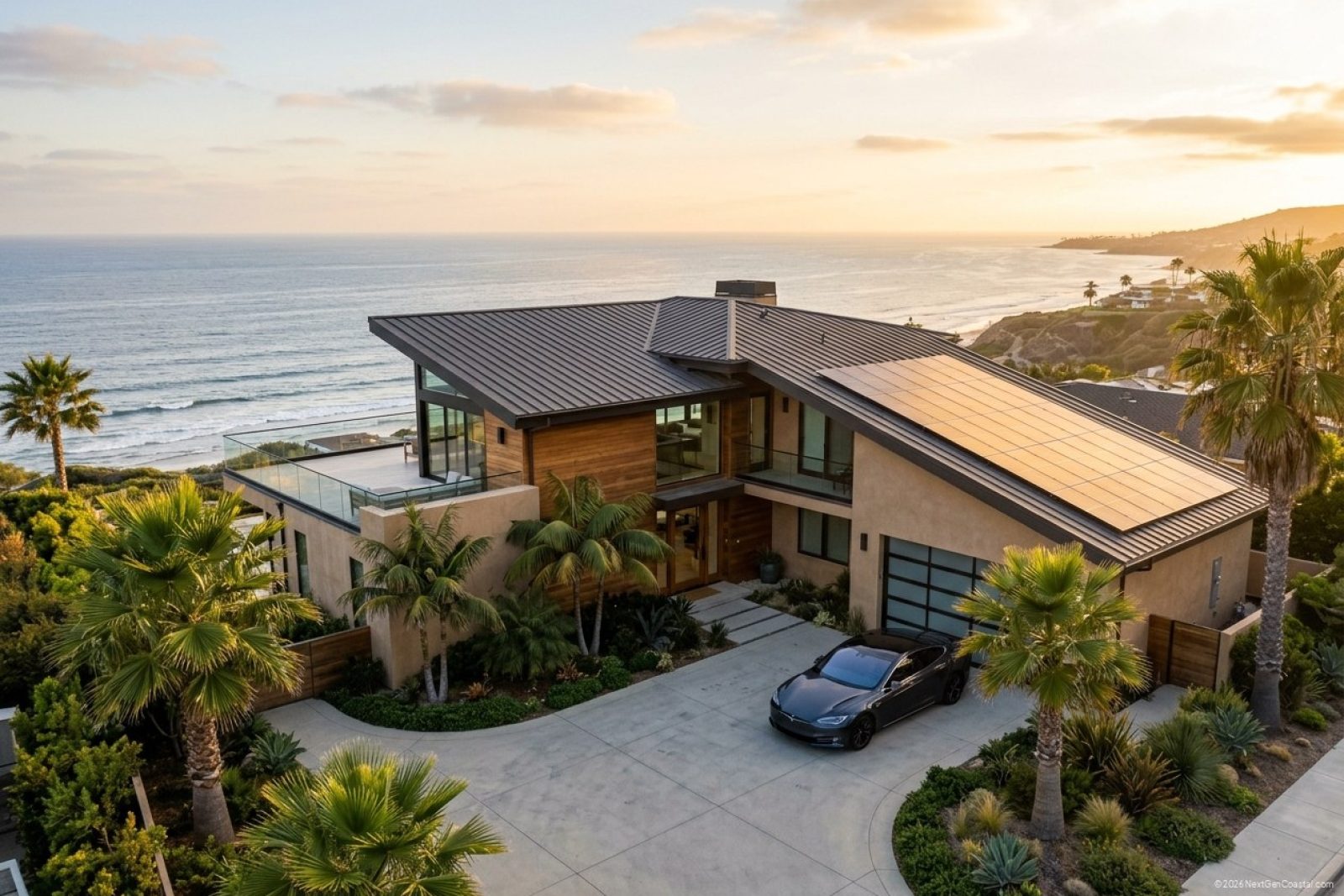
For a coastal investor with a 4-door SFR portfolio building one ADU and adding rooftop solar this year, missing these deadlines is a five-figure mistake.
"For a coastal investor with one new ADU and rooftop solar in 2026, missing the 45L and 48E deadlines is a five-figure mistake."
§45L: $2,500–$5,000 per Dwelling Unit
New construction or substantial renovation of a residential dwelling unit can earn $2,500 (ENERGY STAR) or $5,000 (DOE Zero Energy Ready Home). Sunsets January 1, 2027 — units must be placed in service before that date.
| Label | Credit per Dwelling Unit ($) |
|---|---|
| ENERGY STAR (SFR/MFR) | $2,500 |
| DOE Zero Energy Ready Home | $5,000 |
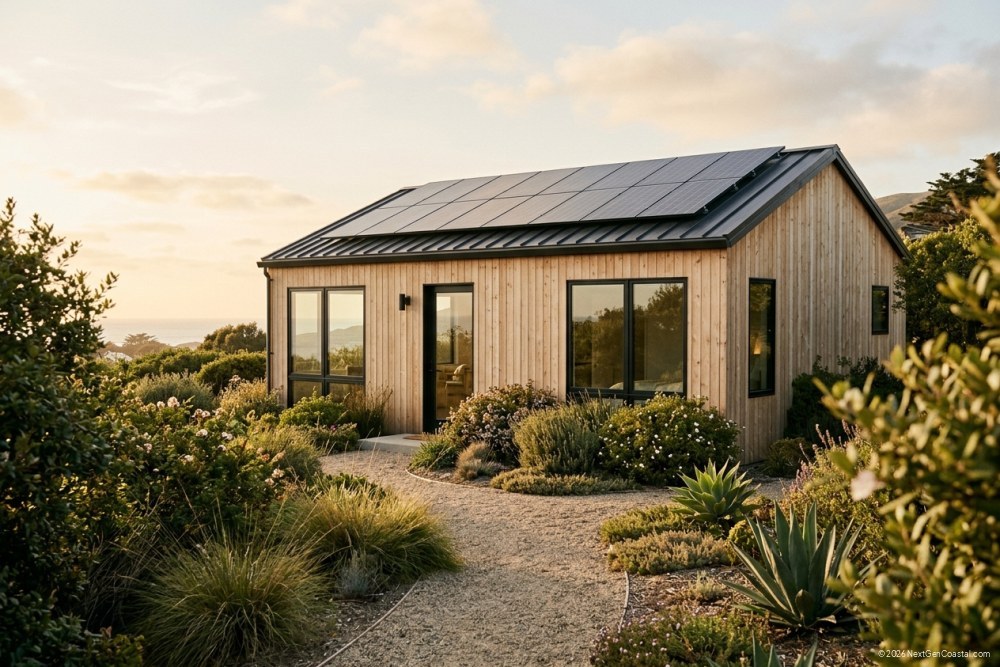
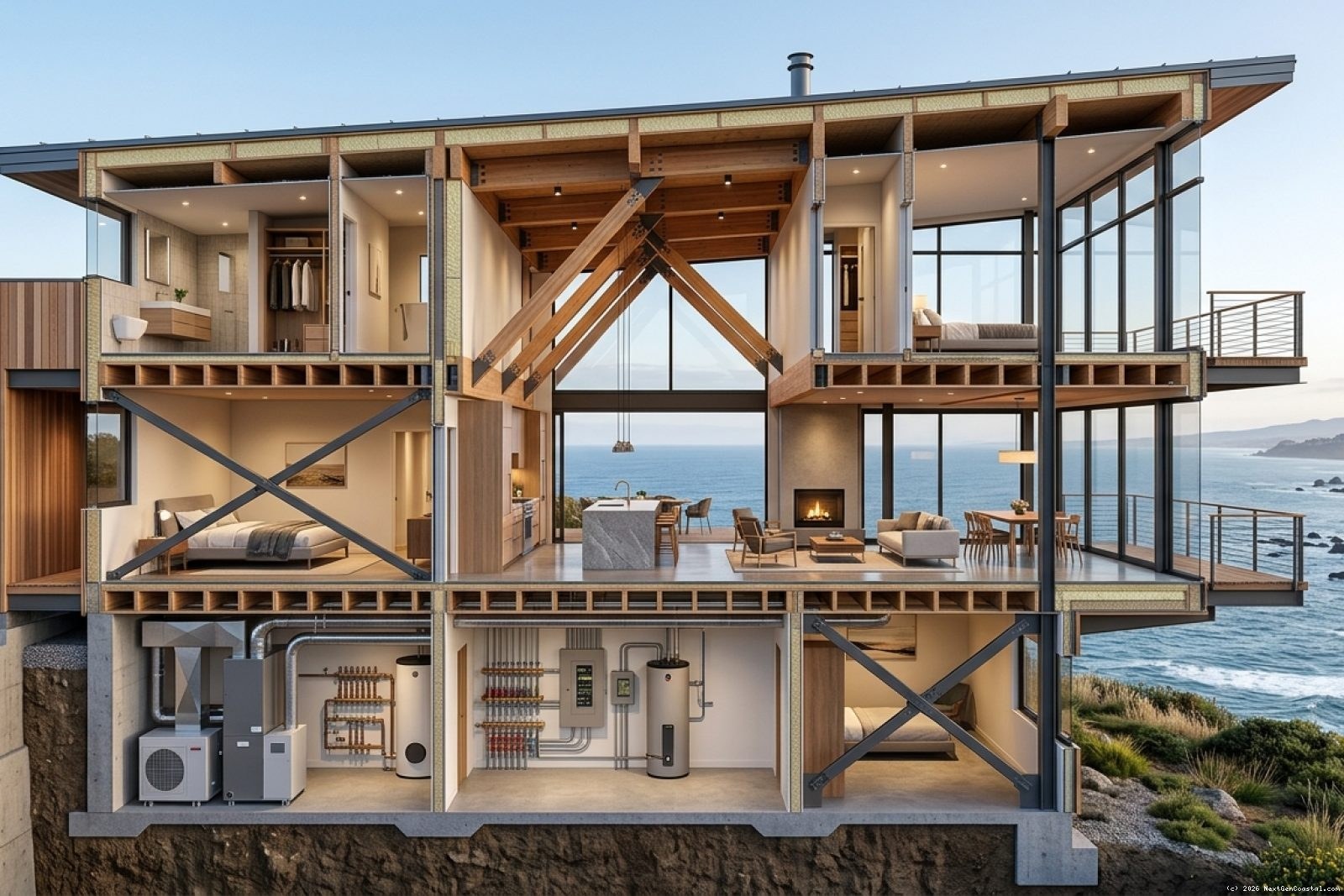
The §45L credit applies to new construction or substantial renovation of residential dwelling units (single-family, ADUs, condos, multifamily up to 3 stories). The unit must meet specific energy-efficiency standards verified by an eligible certifier:
- $2,500 per unit — meets ENERGY STAR Single-Family New Homes program (or ENERGY STAR Multifamily New Construction).
- $5,000 per unit — meets DOE Zero Energy Ready Home (ZERH) certification.
Coastal applications: a new ADU, a JADU, or a substantial gut renovation of a coastal SFR can qualify. The certification must be done by a HERS rater or DOE-approved third party. The credit goes to the eligible contractor — for owner-builders, this is typically the developer or owner. Our ADU vs JADU comparison covers which dwelling-unit type fits which credit.
Sunset: The credit applies to dwelling units acquired before January 1, 2027. Construction must be substantially complete and the unit placed in service before that date.
§179D: Up to $5.65/sf for Multifamily
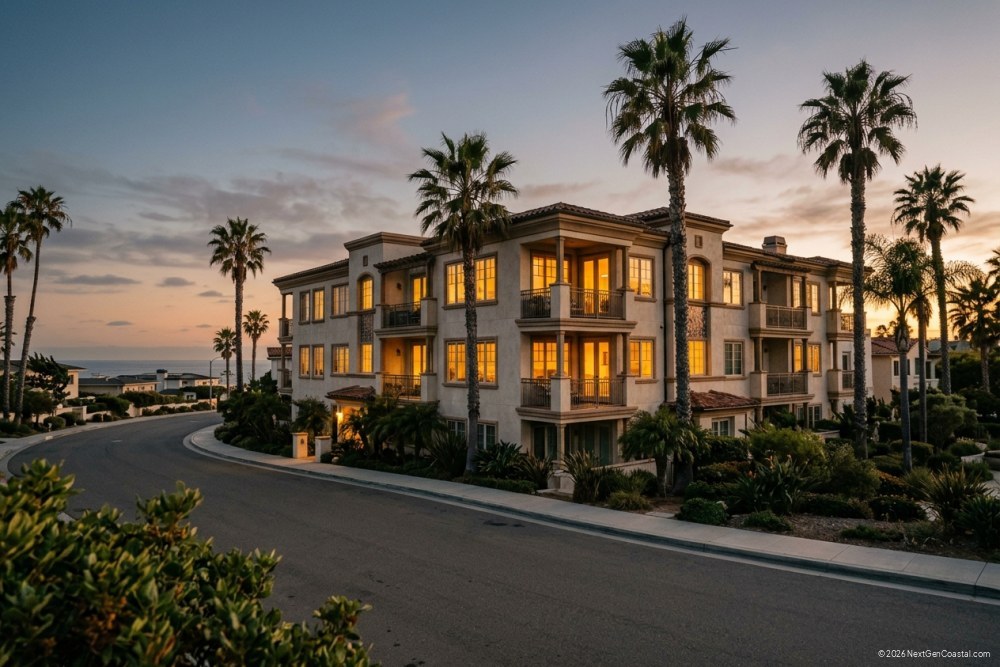
§179D is the commercial energy deduction. It applies to multifamily buildings of 4 or more stories and to commercial property. It is not applicable to SFRs, but if your coastal portfolio includes a 4+ unit apartment building or a mixed-use property, this is on the table.
- Up to $1.13/sf for partial qualification (lighting, HVAC, or envelope).
- Up to $5.65/sf for projects meeting the full 25%+ energy-cost-reduction standard and the prevailing-wage / apprenticeship requirements added by IRA.
The IRA-era enhancements were broadly retained but are scheduled to phase down. Verify with your tax advisor exactly which sub-provision sunsets when — the rules are written piece-meal.
§48E: 30% Solar/Storage Investment Tax Credit
§45L sunsets Jan 1, 2027 (acquisition deadline). §48E base ITC begins OBBBA phasedown in 2026 and falls to 0% on the schedule shown. §179D enhancements step down through 2027.
| Label | §48E ITC Rate (%) |
|---|---|
| 2025 | 30% |
| 2026 | 30% |
| 2027 | 18% |
| 2028+ | 0% |
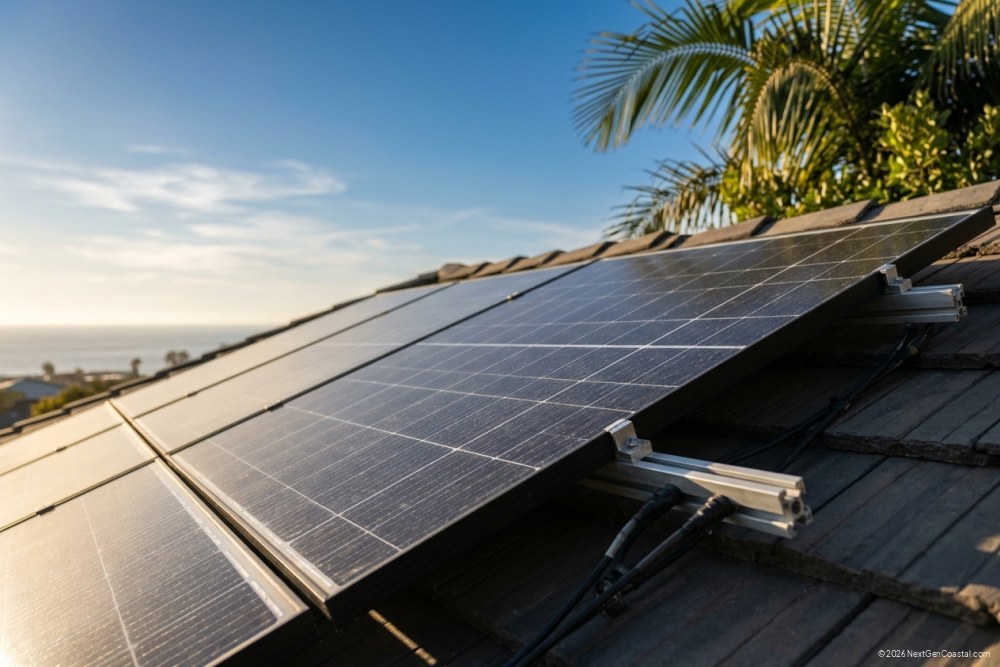
The clean electricity ITC is the headline credit. For coastal rentals, the relevant applications are:
- Rooftop solar on SFRs and multifamily.
- Battery storage (if 5+ kWh and charged primarily from renewable sources).
- EV charging stations (under §30C, related but separate).
The base credit is 30% of the eligible cost basis, with bonus adders potentially pushing the total to 40–50% in qualified energy communities or with domestic-content sourcing.
Sunset: The OBBBA accelerated the phasedown of solar/wind ITCs. Construction must begin before deadlines that vary by technology and ownership structure. For most coastal rental owners installing rooftop solar in 2026, the 30% credit is still capturable — but the construction-begin date matters and the safe-harbor rules are tightening. After the phasedown, expect 0% for new starts.
A Coastal Portfolio Strategy for 2026

For a coastal investor with new-construction or major-renovation activity in 2026, the stack is:
- Build the ADU now. Place in service before January 1, 2027. Certify to ZERH for the $5,000 §45L credit.
- Pair with rooftop solar + battery on the existing SFR before the §48E phasedown closes. Capture the 30% ITC against the rental's tax position.
- Combine with cost segregation. See our cost segregation guide — energy credits stack on top of accelerated depreciation, not in place of it.
- Document everything for the certifier. The HERS report is the audit-proof artifact for §45L. The PV system invoice with in-service date is the artifact for §48E.
What Disqualifies Coastal Owners
- Personal-use coastal residences: §45L applies only to rental dwelling units acquired by an eligible contractor. Owner-occupied second homes don't qualify.
- Late certification: The HERS or DOE certification must be in hand before claiming — you can't reconstruct it after the close-out.
- Wrong in-service date: A unit certified-of-occupancy in January 2027 misses the §45L window. Push for December placement-in-service if construction is on the bubble.
Frequently Asked Questions
Does the 45L credit apply to ADUs?
Can I claim 45L on a renovation, not just new construction?
What’s the deadline to begin construction for the 30% solar ITC?
Can I combine 45L and 48E on the same property?
Do prevailing-wage requirements apply to my single-family rental project?