
Apartments
Fighting HOA Rental Bans in Orange County
Orange County HOAs increasingly restrict or ban rentals through CC&R amendments. Understand your legal options, enforcement patterns, and compliance strategies.
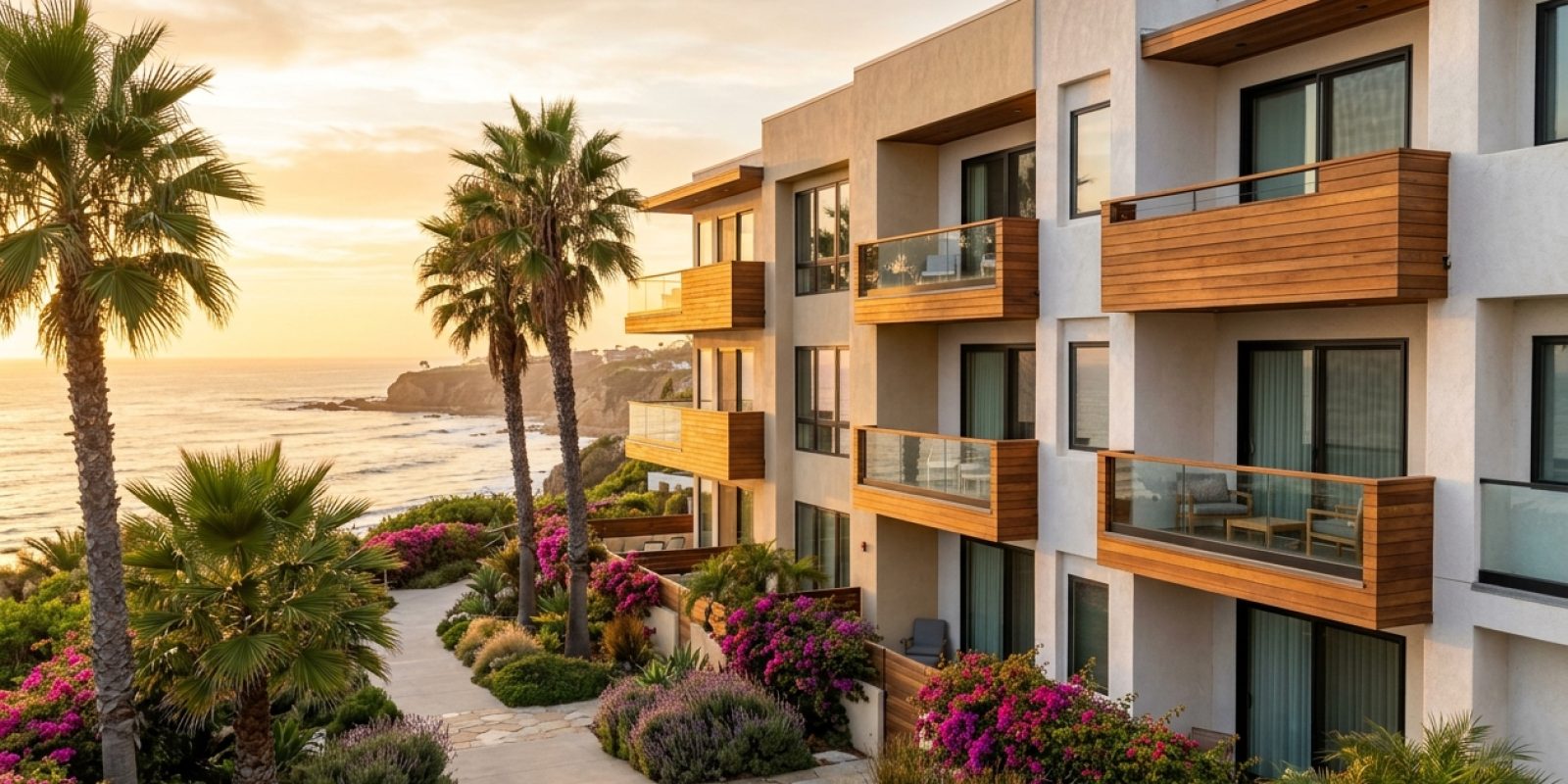
Coastal apartment operations are dominated by statewide rent caps (AB 1482), local just-cause ordinances, and unit-mix rent strategy. This category covers the mechanics for owners of 5–50 unit buildings: CA landlord law, eviction notice procedure, and the rent-roll math that determines whether a coastal property pencils.
2 articles in this category.
Orange County HOAs increasingly restrict or ban rentals through CC&R amendments. Understand your legal options, enforcement patterns, and compliance strategies.
California's AB 1482 rent cap rises to 8.9% for 2026. Understand the CPI calculation, exemptions, and how coastal landlords can maximize compliant rent growth.
California’s Tenant Protection Act caps annual rent increases at 5% plus regional CPI, never above 10%, for most multifamily buildings more than 15 years old — the exemption window rolls forward each year. Coastal cities with their own rent boards, including Santa Monica, Los Angeles, and Oakland, layer stricter local caps on top of the state floor.
After 12 months, AB 1482 requires just cause to end a tenancy. No-fault terminations — owner move-in, substantial remodel, Ellis Act — trigger relocation assistance of one month’s rent, and several coastal cities require advance filing with the local rent board before the notice is valid.
Whether a 5–50 unit coastal building pencils comes down to the rent roll, not the cap rate on the marketing flyer. Below-market legacy tenancies, the cost of bringing units to current code, and the local rent-board ceiling on increases all shape the real yield. This category covers the operating math.