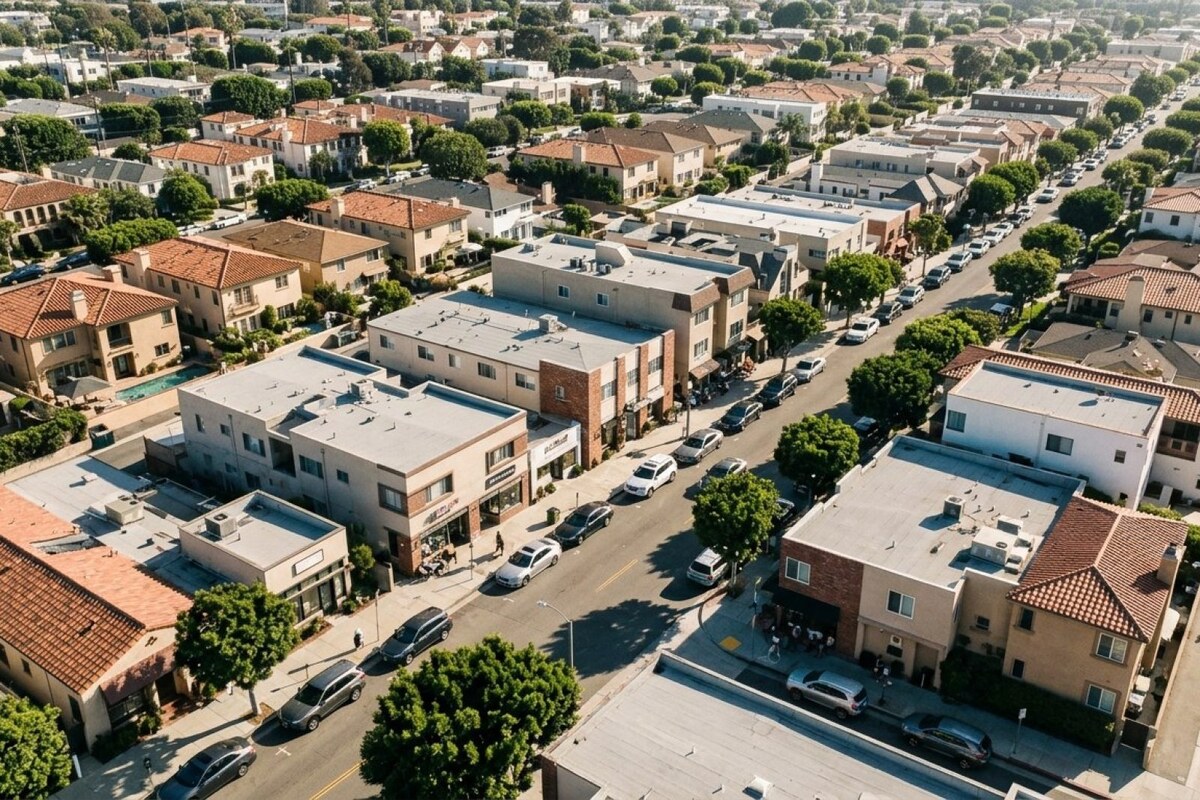
Santa Monica now operates one of the most restrictive short-term rental regimes in coastal California. The city strengthened its enforcement apparatus in 2024 and again in 2025, and operators who treat compliance as optional expose themselves to penalties that begin at $2,500 for unlicensed operation and escalate to $5,000 per violation per day for repeat offenses. The Santa Monica Municipal Code Chapter 6.20, read alongside the Home-Sharing Ordinance, creates a compliance framework that differs materially from what you encounter in Newport Beach, Hermosa Beach, or Laguna.
If you manage coastal properties, you already know that licensing is table stakes. What follows is a working checklist for 2026, initial application, operational obligations, renewal procedures, and the specific documentation the city's Finance Department will request during an audit.
Understanding Santa Monica's STR Regulatory Framework
Chapter 6.20 of the Santa Monica Municipal Code limits short-term rental activity to primary residences. Investment properties are categorically excluded. The city's policy reflects a deliberate choice to preserve long-term housing stock in a market where vacancy rates have consistently tracked below 3%, according to reports from the city's Housing and Community Investment Department.
The Primary Residence Requirement
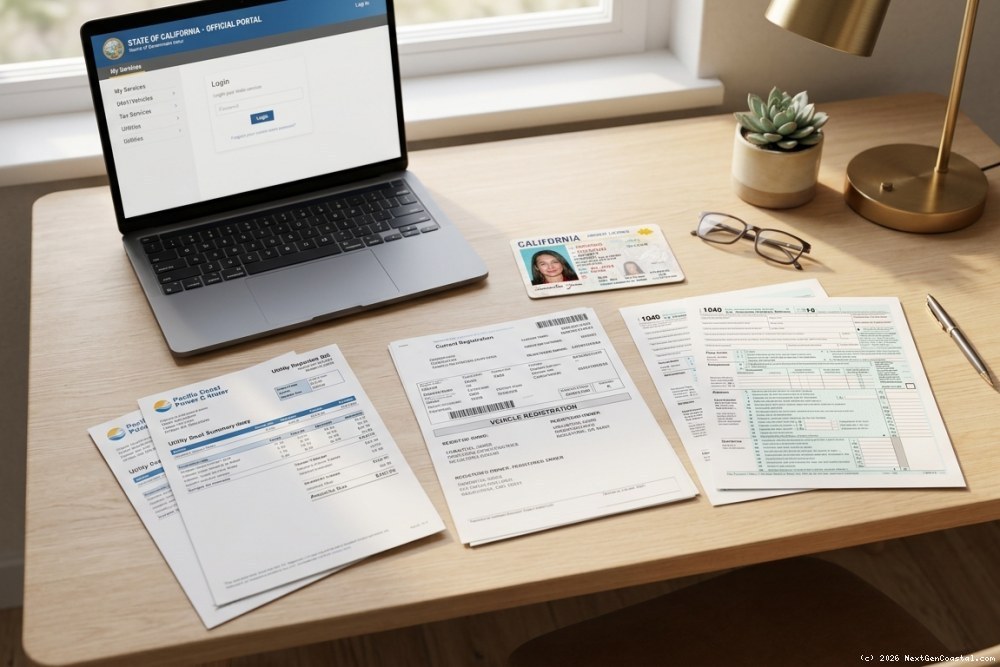
Under SMMC §6.20.030, a primary residence is defined as a dwelling unit in which the host resides at least 275 days per calendar year. The city does not accept a simple attestation. You must substantiate the claim with utility bills, voter registration, tax documents, and other verifiable records. The Finance Department audits these filings, and a false attestation can result in license revocation plus civil penalties.
Operationally, this means:
- You cannot license an investment property for short-term rental use
- Second homes do not qualify
- A single property manager cannot hold multiple STR licenses at different Santa Monica addresses
- The host must maintain continuous primary residency throughout the license period
Occupancy and Rental Duration Limits
Home-sharing with the host on-site has no annual cap; vacation rentals (host absent) are hard-capped at 180 days per calendar year.
View chart data
| Category | Max rental days per year |
|---|---|
| Home-Sharing (host present) | 365 |
| Vacation Rental (host absent) | 180 |
SMMC §6.20.040 allows hosts to rent their primary residence for stays of less than 30 consecutive days only when they are temporarily absent. If you operate in the home-sharing model (host present on the property during the guest's stay), you face no annual cap. If you operate in the vacation-rental model (host absent), you are hard-capped at 180 days per calendar year. Guest occupancy is limited to two per bedroom plus two additional guests, and you cannot exceed the unit's certificate-of-occupancy limit. Exceeding the 180-day cap triggers automatic license suspension and initiates revocation proceedings.
The 2026 Licensing Process: Step-by-Step
The city processes applications through its Finance Department. Review periods extend 30 to 60 days during peak filing seasons, so calendar your application submission accordingly if you have a target launch date.
Initial Application Requirements
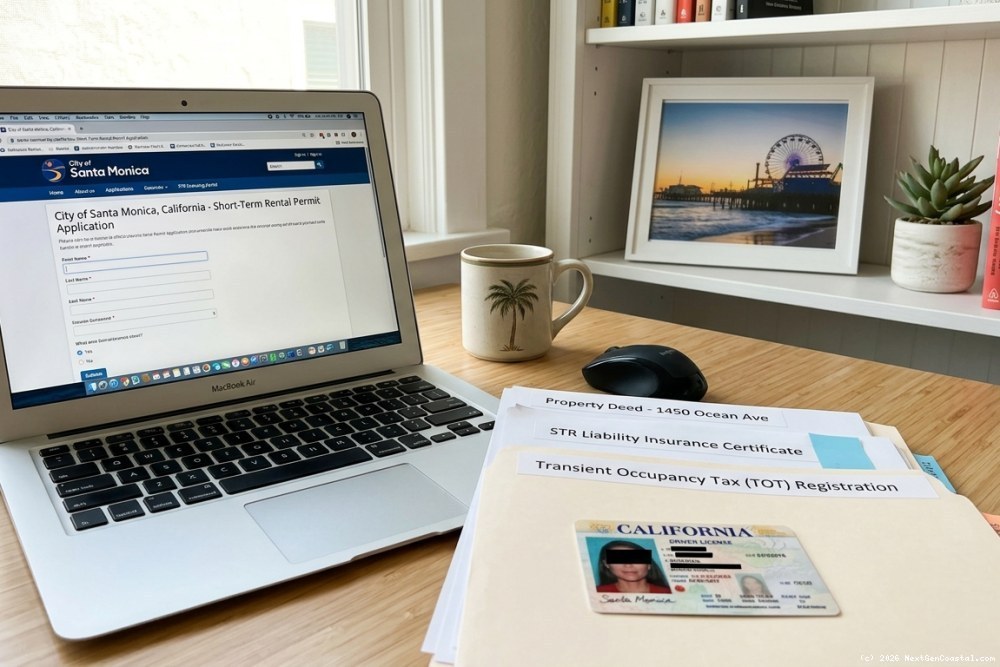
New applicants file through the online portal at santamonica.gov/str. The portal requires:
- Proof of Primary Residence: Three forms of documentation dated within the past 12 months. Acceptable forms include utility bills (gas, electric, water), California driver's license or state ID showing the property address, vehicle registration, voter registration, or tax returns listing the property as your primary residence.
- Property Documentation: Deed or lease agreement. If you are renting the unit, you must provide landlord consent per SMMC §6.20.050. You also need the certificate of occupancy and a floor plan showing bedroom count.
- Insurance Verification: Proof of liability coverage in the amount of at least $1 million, specifically covering short-term rental activity, with the City of Santa Monica listed as additional insured.
- Business License: Current Santa Monica business license (this is separate from the STR license).
- TOT Registration: Transient Occupancy Tax certificate issued by the Finance Department.
- Platform Agreements: Signed acknowledgment that all online listings will display the STR license number.
The application fee for 2026 is set at an annual rate. Late renewals incur an additional charge, and amendments to an existing license carry a separate fee.
Navigating Landlord Consent Requirements
Tenants who wish to operate short-term rentals in units they do not own must obtain written landlord consent under SMMC §6.20.050(c). Many coastal California lease agreements contain explicit prohibitions against subletting or commercial use, so this provision creates a significant hurdle in practice.
The city requires that landlord consent be:
- Provided in writing on landlord letterhead
- Specific to short-term rental activity (a general subletting clause will not suffice)
- Signed and dated within 90 days of the application submission date
- Notarized if the landlord is an entity rather than an individual
Landlords retain the right to revoke consent at any time. Revocation immediately invalidates the STR license, creating ongoing compliance risk for tenant-operators.
Ongoing Operational Compliance Requirements
Obtaining the license is the first step. The ordinance imposes continuous operational obligations that require systematic monitoring and documentation.
Transient Occupancy Tax Collection and Remittance
Santa Monica assesses a Transient Occupancy Tax on gross rental receipts. Chapter 6.36 of the SMMC requires hosts to:
- Collect TOT from every guest reservation
- Remit payments quarterly through the city's online portal
- Maintain detailed transaction records for four years
- File returns even during periods of zero activity
Most major platforms (Airbnb, Vrbo) collect and remit TOT automatically for Santa Monica listings, but the host remains ultimately liable for accurate payment. Reconcile platform remittances against your own records each quarter to identify discrepancies.
Santa Monica's enforcement division cross-references STR license data with TOT filings. Discrepancies trigger audits, and the city will pursue back-taxes plus penalties for inaccurate reporting.
Mandatory Record-Keeping and Reporting
SMMC §6.20.070 obligates hosts to maintain records for all short-term rental activity. The required records include:
- Guest names and contact information
- Reservation dates and duration
- Rental rates and fees collected
- Platform confirmation numbers
- Proof of TOT collection and remittance
- Documentation of whether the host was present or absent during each reservation
You must retain these records for four years and produce them to city inspectors within 48 hours of request. Failure to produce records on demand constitutes a separate violation.
If you operate in the vacation-rental model (host absent), tracking the 180-day annual cap requires meticulous calendar management. The city counts partial days as full days. Exceeding the limit by even a single day can trigger license suspension.
Good Neighbor Policy and Complaint Response
Every license holder must designate a local contact person who is available 24 hours per day, seven days per week, to respond to complaints or emergencies. SMMC §6.20.060 requires this contact to be reachable within 30 minutes and physically capable of arriving at the property within 60 minutes.
You must post a "Good Neighbor Policy" inside the rental unit. The policy must include:
- Maximum occupancy limits
- Quiet hours (10 PM to 8 AM, per Santa Monica's noise ordinance)
- Parking restrictions and permit requirements
- Trash and recycling procedures
- Emergency contact information
- The STR license number
Verified noise complaints, parking violations, or other disturbances can result in license suspension after two substantiated incidents within a 12-month period.
Platform Listing Compliance
Santa Monica has established enforcement partnerships with the major short-term rental platforms. These partnerships enable compliance monitoring that flags unlicensed or non-compliant listings.
License Number Display Requirements
Every online listing must display the city-issued STR license number prominently in the listing title or the first paragraph of the description. The required format is: "City of Santa Monica STR License #XXXX-XXXXXXX."
Platforms remove listings that do not display valid license numbers within 10 days of city notification. In practice, the major platforms have implemented automated systems that flag listings without recognizable Santa Monica license numbers, often resulting in suspension pending verification.
Listing Accuracy and Misrepresentation
SMMC §6.20.080 prohibits false or misleading information in short-term rental listings. Common violations include:
- Advertising occupancy limits that exceed permitted capacity
- Listing investment properties as primary residences
- Operating multiple listings under a single license
- Advertising amenities that violate zoning or building codes (for example, unpermitted accessory dwelling units)
The Code Enforcement Division conducts regular reviews of platform listings to identify potential violations. Misrepresentation can result in license revocation.
2026 Enforcement Landscape and Penalty Structure
Santa Monica enhanced its short-term rental enforcement capabilities beginning in 2024. The city now deploys both technology-driven monitoring and traditional complaint-based investigation.
Administrative Penalty Schedule
Santa Monica fines climb faster than Newport Beach, a fourth violation within 12 months triggers a fine plus license revocation.
View chart data
| Category | Administrative fine |
|---|---|
| 1st Violation (warning) | Varies by jurisdiction |
| 2nd Violation | Escalated penalty |
| 3rd Violation (+30-day suspension) | Further escalation |
| 4th Violation (revocation) | Maximum penalty |
Operating without a valid license carries immediate penalties. The first offense draws a substantial fine, and subsequent offenses incur higher fines, with each day of operation constituting a separate violation.
The city has implemented enhanced enforcement mechanisms for egregious violations, particularly for operators running multiple unlicensed properties or those who continue operating after license revocation.
Common Audit Triggers
Based on enforcement patterns observed in 2024 and 2025, the following activities frequently trigger city audits:
- Discrepancies between TOT filings and platform booking data
- Neighbor complaints regarding noise, parking, or occupancy
- Multiple listings at the same address
- Listings that remain active year-round without any host-present bookings
- Properties with frequent turnover suggesting commercial operation
- Addresses flagged in utility usage analysis showing patterns inconsistent with primary residence
Coastal Commission Considerations
Properties located within Santa Monica's Coastal Zone face an additional regulatory layer under the California Coastal Act. The city's short-term rental ordinance applies citywide, but Coastal Commission jurisdiction affects a significant portion of Santa Monica's residential properties.
Coastal Development Permit Requirements
The California Coastal Commission has indicated that converting long-term residential use to short-term rental use may constitute a change in intensity of use requiring a Coastal Development Permit (CDP) under Public Resources Code §30600. Santa Monica's certified Local Coastal Program does not explicitly address short-term rentals, but operators in the Coastal Zone should be aware that:
- The Coastal Commission may review short-term rental operations that affect long-term housing availability
- Properties with existing CDPs may carry conditions affecting commercial use
- The Commission can initiate enforcement actions independent of city proceedings
For properties in the Coastal Zone, review any existing Coastal Development Permits and consult with the city's Planning Division before initiating short-term rental operations.
HOA and CC&R Compliance
The Santa Monica short-term rental ordinance explicitly states that it does not supersede private restrictions in covenants, conditions, and restrictions (CC&Rs), homeowners association rules, or lease agreements. SMMC §6.20.020(d) requires hosts to comply with all applicable private restrictions.
Navigating HOA Short-Term Rental Restrictions
Many Santa Monica condominiums and planned developments have amended their CC&Rs since 2020 to prohibit or restrict short-term rentals. Common restrictions include:
- Outright prohibitions on rentals under 30 days
- Minimum rental periods of 90 days or six months
- Caps on the number of units that can operate as short-term rentals
- Additional insurance or indemnification requirements
- Mandatory homeowners association approval processes
Under California Civil Code §4740 through §4745, homeowners associations can enforce rental restrictions through fines, injunctions, and in extreme cases, foreclosure. The city will not issue or renew a short-term rental license if the homeowners association provides documentation of a valid restriction prohibiting short-term rentals.
Obtain written confirmation from your homeowners association that short-term rental activity is permitted before investing in the licensing process. Retain this documentation as part of your ongoing compliance records.
Recent Legislative Updates Affecting Santa Monica STRs
California's evolving legislative environment continues to affect short-term rental operations. Several recent bills have implications for Santa Monica operators.
AB 1033 and Accessory Dwelling Units
Assembly Bill 1033, enacted in 2023, allows cities to permit separate sale of accessory dwelling units from primary residences. Santa Monica has not yet adopted an implementing ordinance, but this creates potential future considerations for short-term rental licensing, as separately owned ADUs would not qualify as part of a primary residence.
Current ADU operators should note that SMMC §6.20.030 requires the entire property, including any accessory dwelling units, to be part of the host's primary residence. Renting an ADU separately while occupying the main house does not satisfy the primary residence requirement for short-term rental purposes.
SB 478 and Junk Fee Transparency
Senate Bill 478, enacted in 2024 and effective July 1, 2024, requires all-in pricing for short-term rentals. Operators must display the total price, including all mandatory fees such as cleaning charges and service fees, in listings and advertising. Compliance with this requirement is a regulatory obligation for short-term rental operators.
AB 1482 Tenant Protections
The Tenant Protection Act (AB 1482) generally does not apply to properties occupied for fewer than 30 days. However, operators who accept longer-term bookings that cross the 30-day threshold may trigger just-cause eviction protections and rent cap provisions under Civil Code §1946.2.
Santa Monica operators should implement strict maximum stay policies of 29 days to avoid inadvertently creating tenancies subject to AB 1482 protections, which would complicate future short-term rental operations.
Security Deposit and Tenant Fund Handling
Traditional security deposit laws under Civil Code §1950.5 do not apply to stays under 30 days. Nevertheless, Santa Monica short-term rental operators should comply with consumer protection requirements regarding damage deposits and advance payments.
Proper Deposit Handling Procedures
Best practices for Santa Monica short-term rental operators include:
- Clearly disclosing damage deposit policies in listing descriptions and rental agreements
- Using platform-managed security deposit systems when available
- Documenting property condition with timestamped photographs before and after each stay
- Providing itemized deduction notices within 21 days if withholding any portion of deposits
- Maintaining separate accounts for guest funds (recommended for transparency)
Disputes over damage deposits can trigger guest complaints to the city, potentially affecting license standing even if the underlying dispute is civil rather than regulatory.
Insurance and Liability Requirements
SMMC §6.20.050(e) mandates liability coverage specifically covering short-term rental activity. Standard homeowners policies typically exclude commercial activity, making specialized short-term rental insurance essential.
Identifying Coverage Gaps
Operators should verify that their insurance policies address:
- Commercial General Liability: Coverage for guest injuries and property damage
- Loss of Income: Protection if the property becomes uninhabitable due to covered events
- Theft and Vandalism: Coverage for guest-caused damage beyond normal wear and tear
- Liquor Liability: If providing alcohol, even complimentary wine
- Cyber Liability: Protection for data breaches involving guest information
The city requires annual proof of insurance renewal. Coverage lapses trigger automatic license suspension. Calendar insurance renewal dates 60 days in advance to maintain continuous coverage.
Annual Renewal Process and Timeline
Short-term rental licenses expire annually on the anniversary of issuance. Santa Monica sends renewal notices 60 days before expiration, but operators remain responsible for timely renewal regardless of whether notice is received.
Renewal Documentation Requirements
Annual renewals require submission of:
- Updated proof of primary residence, such as utility bills from the past 12 months
- Current insurance certificate
- Confirmation of business license renewal
- Attestation of compliance with all operational requirements
- Payment of the annual renewal fee
Late renewals incur a penalty. Licenses that lapse more than 30 days require a complete new application with full documentation review.
How Santa Monica Compares to Other Coastal California Cities

Understanding Santa Monica's requirements in context helps operators managing properties across multiple coastal jurisdictions.

San Diego's Approach
San Diego Municipal Code Chapter 5, Article 1, Division 41 permits both whole-home and home-sharing short-term rentals in most residential zones. The city operates a licensing system that does not require primary residence. However, San Diego caps short-term rental licenses at 1% of housing stock in each community planning area, creating a lottery system for new licenses in popular coastal neighborhoods.
Regional Variations in Coastal Ordinances
Coastal California cities have adopted varying approaches to short-term rental regulation:
- Malibu: Prohibits all short-term rentals under 30 days citywide under Malibu Municipal Code §17.54.010
- Manhattan Beach: Permits only home-sharing (host present) with a primary residence requirement
- Hermosa Beach: Allows vacation rentals in specific zones with annual caps and a lottery system
- Laguna Beach: Requires Conditional Use Permits for each short-term rental property, with discretionary approval
Santa Monica's primary residence requirement and 180-day cap place it among the more restrictive coastal jurisdictions, though not as prohibitive as outright bans in cities such as Malibu.
2026 Compliance Checklist for Santa Monica STR Operators
Use this working checklist to verify full compliance with Santa Monica's short-term rental ordinance:
Pre-Licensing Phase
- Verify the property qualifies as your primary residence (275 or more days of annual occupancy)
- Confirm that no homeowners association or CC&R restrictions prohibit short-term rentals
- If renting, obtain written landlord consent
- Secure liability insurance with short-term rental coverage
- Obtain a Santa Monica business license
- Register for a Transient Occupancy Tax certificate
- Gather primary residence documentation (three or more forms)
- Prepare property documentation including deed or lease, floor plan, and certificate of occupancy
Application Phase
- Complete the online application at santamonica.gov/str
- Upload all required documentation
- Pay the application fee
- Respond to any city requests for additional information within 10 days
- Await approval (typically 30 to 60 days)
Operational Phase
- Display the short-term rental license number in all online listings
- Post the Good Neighbor Policy inside the rental unit
- Designate a 24/7 local contact person
- Implement a booking calendar to track the 180-day cap if operating in the vacation rental model
- Collect and remit Transient Occupancy Tax quarterly
- Maintain detailed records of all reservations
- Document host presence or absence for each booking
- Respond to neighbor complaints within 60 minutes
- Conduct pre-stay and post-stay property inspections with photographic documentation
Ongoing Compliance
- Renew the short-term rental license annually, 60 days before expiration
- Renew the business license annually
- Maintain continuous insurance coverage
- Update primary residence documentation annually
- File Transient Occupancy Tax returns quarterly, even during periods of zero activity
- Retain all records for four years
- Monitor for homeowners association rule changes
- Stay current on city ordinance amendments
Risk Mitigation Strategies
Beyond basic compliance, operators can implement additional safeguards to minimize regulatory risk.
Documentation Systems
Implement cloud-based systems that automatically:
- Track cumulative rental days against the 180-day cap
- Archive guest communications and booking confirmations
- Store timestamped property condition photographs
- Generate Transient Occupancy Tax reports reconciled against platform data
- Calendar renewal deadlines with automated reminders
Proactive Neighbor Relations
Many violations originate from neighbor complaints. Proactive strategies include:
- Providing neighbors with direct contact information
- Addressing concerns immediately before they escalate to city complaints
- Implementing strict guest screening and house rules
- Installing exterior security cameras with proper privacy disclosures
- Limiting party-oriented bookings such as single-night weekend reservations or large groups
Future Regulatory Outlook
Santa Monica's short-term rental ordinance continues to evolve. The City Council has discussed potential amendments that may include:
- Further reducing the 180-day vacation rental cap
- Implementing a cap on total short-term rental licenses citywide
- Requiring annual inspections for license renewal
- Increasing penalties for repeat violations
- Expanding enforcement technology and staffing
Monitor City Council agendas and participate in public comment periods when short-term rental regulations are under consideration. The city's Planning Commission typically reviews short-term rental policy annually, with recommendations forwarded to the Council for consideration.
When to Consider Professional Management
Santa Monica's compliance requirements create significant operational overhead. Property owners should consider professional management when:
- Managing multiple properties across different jurisdictions
- Unable to serve as the 24/7 local contact person
- Lacking systems for tracking the 180-day cap and documentation requirements
- Facing enforcement actions or compliance challenges
- Operating in both short-term rental and long-term rental markets simultaneously
Professional managers with Santa Monica expertise can handle the licensing process, implement compliant operational systems, and provide the local presence the ordinance requires. Management fees are often offset by reduced violation risk and optimized occupancy.
Santa Monica represents a highly regulated short-term rental market within coastal California. Mastering compliance here provides a framework applicable across the region's diverse regulatory environments. The investment in proper systems, documentation, and ongoing monitoring is not merely about avoiding penalties. It is about building sustainable operations in one of California's most valuable coastal markets.
Frequently Asked Questions
Can I operate a short-term rental in Santa Monica if I don't live there full-time?
What is the maximum number of days I can rent my Santa Monica home as a vacation rental?
Do I need my landlord's permission to operate a short-term rental in Santa Monica?
What are the penalties for operating an unlicensed short-term rental in Santa Monica?
Does my HOA's short-term rental ban override Santa Monica's STR ordinance?
How much is Santa Monica's Transient Occupancy Tax for short-term rentals?