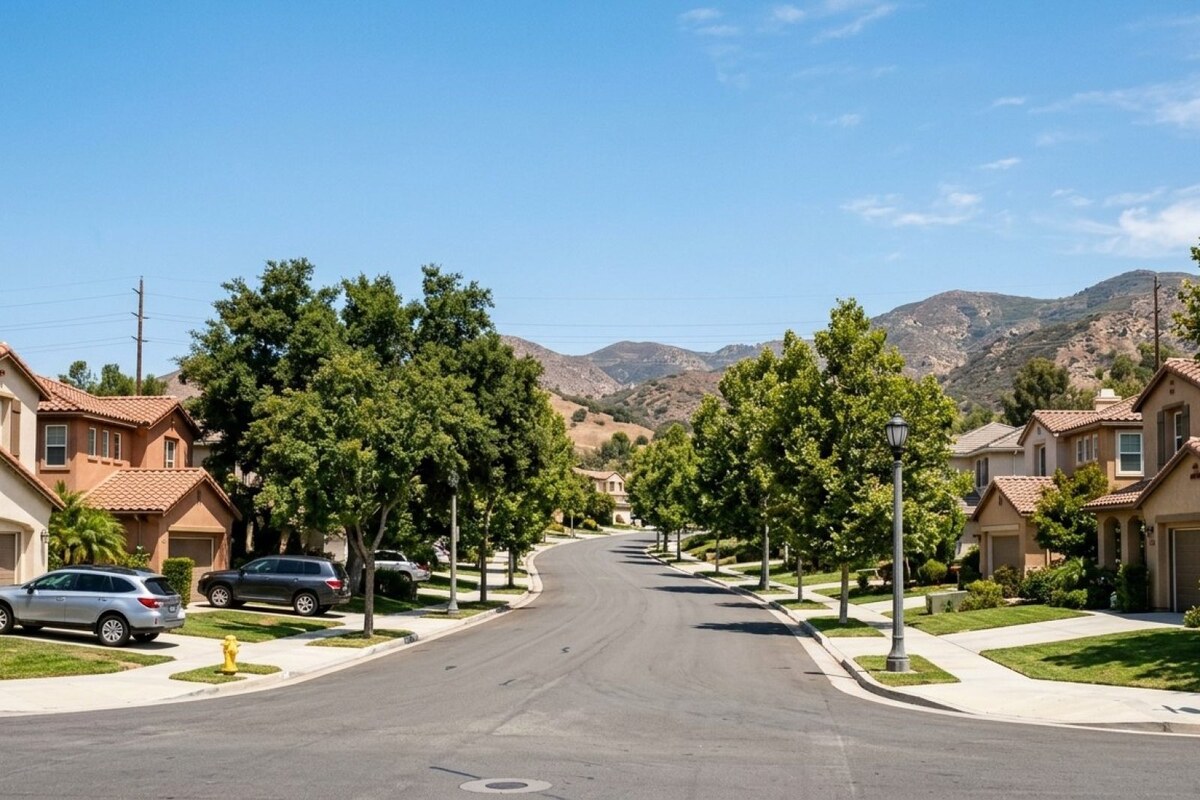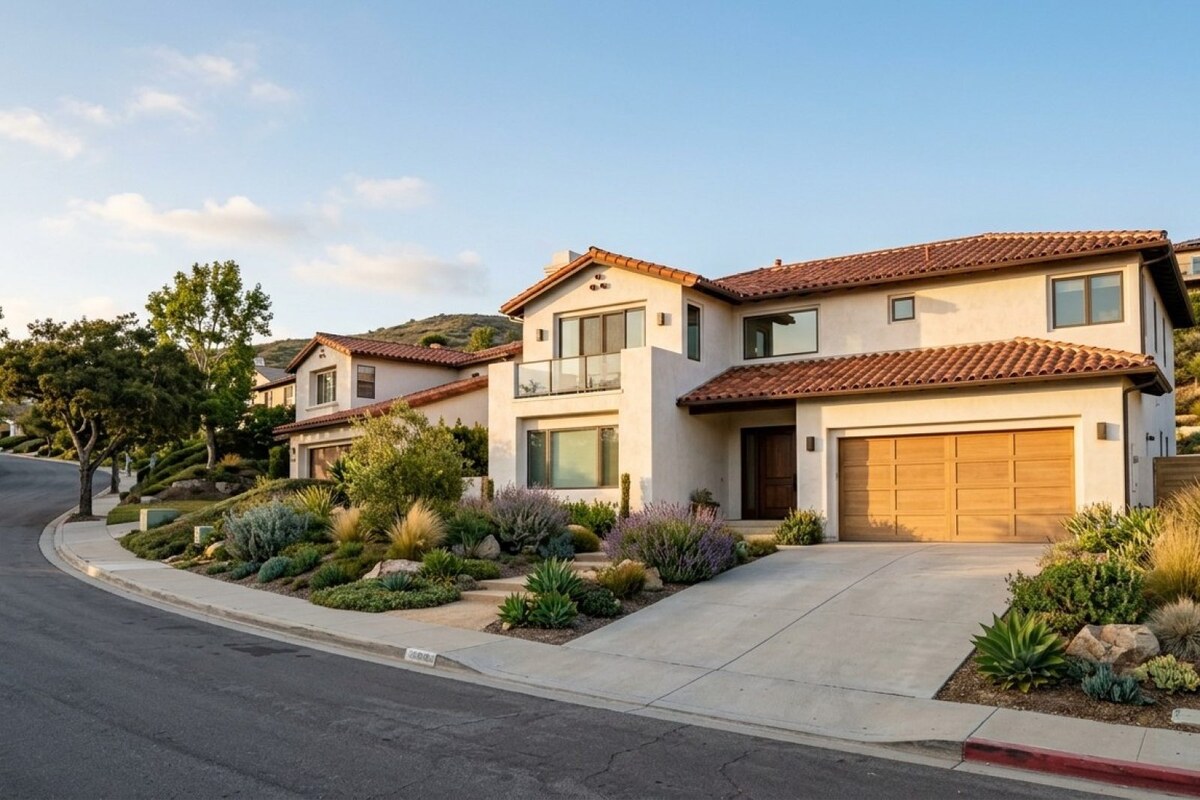
Understanding California's Fire Zone Classifications
Properties in Very High Fire Hazard Severity Zones face substantially higher premium adjustments compared to moderate-risk areas.
View chart data
| Category | Average Premium Increase (%) |
|---|---|
| Moderate/Low Zones | 8% |
| High Fire Hazard Zones | 35% |
| Very High Fire Hazard Zones (VHFHSZ) | 85% |
Structuring Tenant Insurance Requirements
We write a minimum renters-insurance requirement into every coastal California lease, usually $100,000 or $300,000 in liability coverage. When the property sits in a VHFHSZ, that clause moves from nice-to-have to essential. You just need to draft it so it's enforceable and doesn't push the burden onto the tenant in ways California law won't allow.
Here's what belongs in the lease:
- Liability floor. $300,000 works for most single-family rentals on the coast. If the property has a pool, multi-level deck, or anything else that invites a premises-liability claim, bump it to $500,000.
- Personal-property coverage. You can't dictate the dollar amount (the tenant picks that based on what they own), but you can require some personal-property line so the policy actually exists.
- Loss-of-use coverage. This pays for a hotel if the house burns and becomes uninhabitable. Requiring it keeps the tenant from demanding you pay for temporary housing or trying to break the lease penalty-free.
- Additional-insured or interested-party endorsement. You won't get coverage for your own losses, but you will get a notification if the tenant's policy lapses.
Collect proof of insurance before the tenant moves in. Set a calendar reminder for eleven months out. A lot of property managers now use automated insurance-tracking software that flags expiring policies thirty days early and emails the tenant directly. If the tenant doesn't upload a new dec page within ten days of expiration, send a formal notice. California restricts force-placed insurance more tightly than most states, so you need to follow the statute if you're going to buy a policy and back-charge the tenant.
FAIR Plan and Tenant Obligations
If you're insuring the property through the California FAIR Plan (the state's high-risk insurer of last resort), the tenant's renters-insurance search gets harder. The FAIR Plan covers the dwelling and your landlord liability. It doesn't cover the tenant's stuff or their own liability exposure. They have to buy a separate renters policy, and in a VHFHSZ, the usual online carriers may decline to quote. The tenant ends up working with an independent agent who can access surplus-lines markets.
Add a lease addendum that explains the property is FAIR-Plan-insured. Spell out that the tenant is responsible for their own renters coverage and that premiums may run higher because of the fire-zone designation. This keeps the tenant from calling you mid-lease to complain about sticker shock or claiming they didn't know the property carried elevated fire risk.
Defensible Space Compliance and Tenant Responsibilities
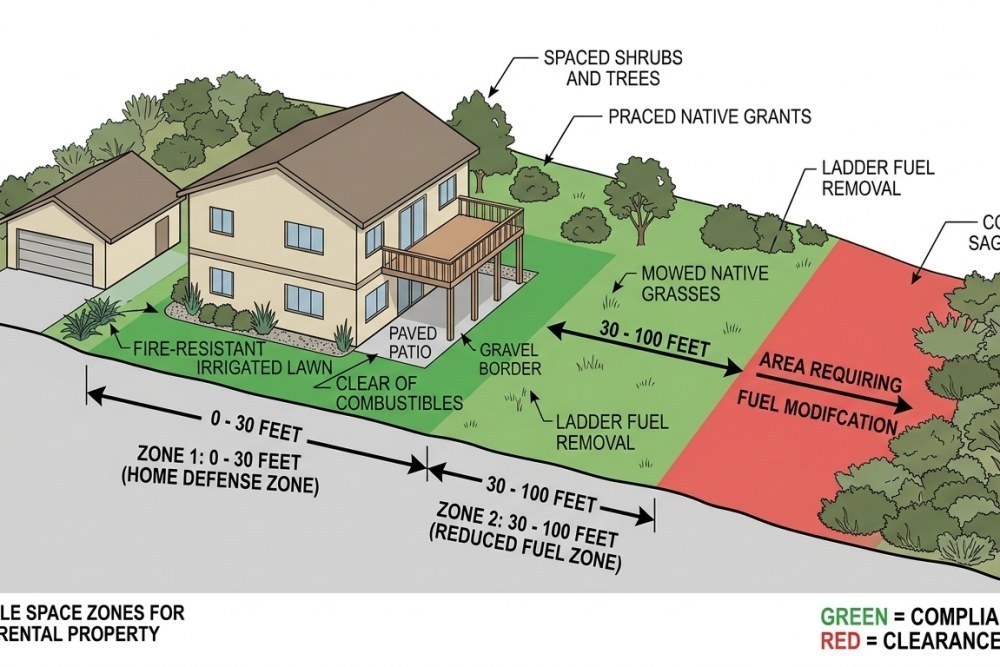
Public Resources Code §4291 splits defensible space into two zones: zero to thirty feet from the structure (Zone 1), and thirty to one hundred feet (Zone 2). Zone 1 is where the rules bite hardest. No dead plants, minimal ground cover, tree limbs trimmed to ten feet above grade, hardscape or low-fuel plantings right up against the house. Zone 2 lets you keep more vegetation but requires spacing between shrubs and trees so fire can't ladder into the canopy.
You're the property owner, so the law makes you responsible for defensible-space compliance whether or not you live there. But you can (and should) delegate the day-to-day maintenance to the tenant through the lease. A fire-zone addendum should assign the tenant these tasks:
- Watering and maintaining any fire-resistant landscaping
- Clearing dead leaves, branches, and debris from gutters, roofs, and decks
- Trimming vegetation to meet PRC §4291 standards
- Notifying you immediately if the local fire department drops a compliance notice
Structural improvements stay with you. Installing ember-resistant vents, replacing a wood-shake roof with Class A composition, upgrading windows to dual-pane tempered glass, those are capital expenses that affect insurability and resale value. You can't delegate them to the tenant.
Annual Inspections and Enforcement
Most fire departments in VHFHSZ areas run annual defensible-space inspections in spring or early summer. If your property fails, you get a Notice of Violation with a cure window. Miss the deadline and the city hires a contractor to do the work, then bills you at a markup plus administrative fees. They can lien the property if you don't pay.
Schedule your own walk-through before the official inspection season starts. Bring the tenant, take photos, and make a punch list of anything that needs trimming or removal. If the lease makes the tenant responsible, send written notice with a ten-to-fourteen-day deadline. If they don't act, hire a landscaper, finish the work, and back-charge the tenant under your lease's maintenance clause. Keep every photo, invoice, and written notice. If the city issues a violation, you'll need proof you moved quickly.
Insurance Renewal Strategies for High-Risk Properties
The VHFHSZ insurance market has tightened over the last few years. Traditional carriers have either non-renewed policies outright or layered on underwriting requirements that make renewal harder to secure. Here's how we handle it.
Start the Renewal Process 90 Days Out
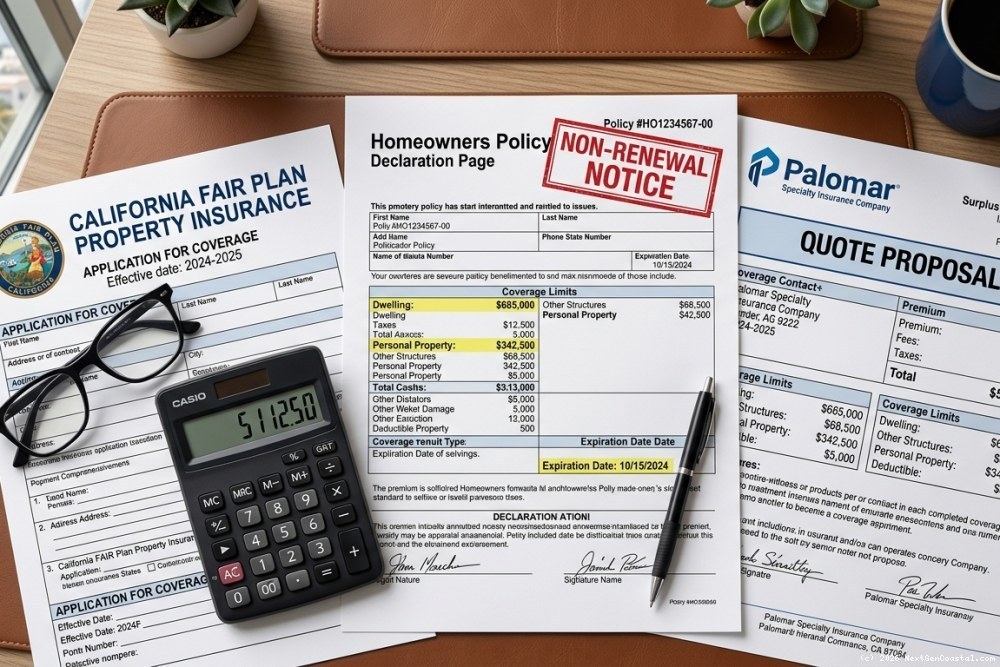
Don't wait for the sixty-day non-renewal letter. At ninety days before expiration, call your agent or broker and ask for a preliminary renewal quote. If your carrier signals a non-renewal or a steep jump, you have time to shop. Waiting until thirty days out leaves you scrambling, and your options narrow fast.
Document Risk-Mitigation Improvements
Carriers give credit to properties that go beyond minimum defensible-space standards. If you've installed ember-resistant vents, upgraded to a Class A roof, added a whole-house sprinkler system, or built a non-combustible zone around the foundation, document it. Photos, receipts, contractor certifications. Submit the package with your renewal application. It shows underwriters you're managing the risk, and it can move the needle on whether they offer a renewal at all.
Consider Surplus Lines Carriers
Surplus-lines insurers (non-admitted carriers not bound by California's rate regs) have gotten more active in the VHFHSZ space. They offer more flexible underwriting than the admitted market. Work with a broker who specializes in high-risk coastal properties. They have access to surplus-lines markets that the direct-to-consumer platforms don't.
FAIR Plan + Wrap Policy
If you can't get a standalone policy, the FAIR Plan writes basic dwelling and liability coverage. But FAIR Plan policies exclude a lot of perils and cap coverage in ways that leave you underinsured. To fill the gaps, buy a "wrap" or "difference in conditions" (DIC) policy from a surplus-lines carrier. The wrap sits on top of the FAIR Plan and covers the excluded perils. Together, the two policies get you closer to what a standard landlord policy would provide.
The combined premium (FAIR Plan plus wrap) usually costs more than a traditional policy. But for properties in high-risk VHFHSZ areas, it's often the only viable option.
Tenant Communication Protocols During Fire Season
Proactive communication during fire season keeps tenant relationships intact and reduces your liability exposure. In spring (before peak fire months), send a fire-preparedness letter to every tenant in a VHFHSZ property. The letter should cover:
- A reminder that the property sits in a fire zone and that the tenant has defensible-space responsibilities under the lease
- A checklist for building a personal evacuation plan (important documents, medications, pet carriers, evacuation routes)
- Contact info for the local fire department, emergency services, and your 24/7 property-management line
- Confirmation that the tenant's renters insurance is current and includes loss-of-use coverage
- Your protocol if an evacuation order is issued (you'll communicate immediately, you'll coordinate with local authorities for post-evacuation property access)
When a fire breaks out nearby, send updates by text and email. Tenants appreciate knowing you're watching the situation. It cuts down on panicked calls. If an evacuation order comes through, document the timeline, your communications, and any property-access restrictions. This record matters if the tenant later claims you didn't give timely notice or if insurance disputes arise about when the property became uninhabitable.
Post-Fire Property Access and Habitability
If a fire damages the property or the surrounding area, California's habitability laws (Civil Code §1941) control what you owe the tenant. If the property is uninhabitable (no power, no water, smoke damage, structural compromise), the tenant's rent obligation stops until you restore habitability. You have to provide written notice of the estimated repair timeline within a reasonable period, usually seven to ten days.
If repairs will take more than thirty days, the tenant can terminate the lease without penalty. If repairs will take less than thirty days, the tenant can choose to wait or terminate, but you're not required to pay for temporary housing unless your lease specifically says so (most don't). This is why requiring loss-of-use coverage in the tenant's renters policy matters. It shifts the temporary-housing cost to the tenant's insurer instead of to you.
HOA Fire-Safety Requirements and Coordination
A lot of Laguna Canyon properties fall within HOAs that impose fire-safety standards tighter than state and local minimums. Common HOA rules include:
- Annual roof inspections and certifications
- Mandatory participation in community-wide brush-clearance programs
- Bans on wood fencing, wood decks, or combustible landscaping materials
- Requirements for fire-resistant exterior paint or siding
Pull your CC&Rs and HOA rules every year. Cross-reference them with your lease's maintenance addendum. If the HOA requires an annual fire inspection, schedule it ahead of the official inspection season and send a copy of the certification to your insurance carrier. It may qualify you for a premium discount.
When a tenant violates an HOA fire-safety rule (stacking firewood against the house, planting non-approved vegetation), the HOA fines you, not the tenant. Your lease should let you pass through HOA fines caused by tenant violations, but you have to give written notice and a chance to cure before you impose the charge. Document the violation with photos, send a cure notice, and if the tenant doesn't fix it, hire a contractor to handle it and back-charge the tenant per your lease.
Looking Ahead: Legislative Changes and Market Trends
California's Legislature revisits VHFHSZ rental rules periodically. Proposed bills have included expanded disclosure requirements, evacuation-planning mandates, and insurance-market reforms. The specifics change, but the trend is consistent: more obligations for landlords, more protections for tenants in high-fire-risk areas.
If you manage multiple VHFHSZ properties, track legislative updates through the California Apartment Association or your local rental-housing association. Adopting emerging standards early (even before they're mandatory) can set your properties apart in a competitive rental market and show good faith if a tenant later raises habitability or safety concerns.
Practical Checklist: VHFHSZ Rental Compliance
Run through this checklist for every new lease and annual renewal in a Very High Fire Hazard Severity Zone:
- Order or update Natural Hazard Disclosure Statement (valid within twelve months)
- Provide NHD to tenant before lease execution; get signed acknowledgment
- Confirm lease requires renters insurance with liability, personal property, and loss-of-use coverage
- Collect proof of tenant's renters insurance before move-in; set annual renewal reminder
- Include fire-zone addendum assigning tenant responsibility for defensible-space maintenance
- Schedule pre-inspection before official inspection season; walk property with tenant and document vegetation compliance
- Submit risk-mitigation documentation (roof cert, ember vents, etc.) to insurance carrier well before renewal
- Send fire-preparedness letter to tenant in spring; include evacuation checklist and emergency contacts
- Review HOA fire-safety rules; confirm lease allows pass-through of violation fines
- Maintain digital file with NHD, insurance certs, inspection photos, and tenant communications for audit trail
This list isn't exhaustive, but it covers the core compliance and risk-management work that separates reactive landlords from proactive operators. In a VHFHSZ, the proactive ones manage risk better and spend less time in disputes or liability exposure.
Frequently Asked Questions
Do I need to provide a fire zone disclosure if my tenant has already moved in?
Can I require my tenant to carry fire insurance on my rental property?
What happens if my property fails the city's defensible space inspection?
Is the California FAIR Plan my only option if traditional carriers won't renew my policy?
How do I handle rent if a fire makes my property temporarily uninhabitable?