AB 12 Overview: One-Month Cap and Effective Date
Assembly Bill 12 amended California Civil Code Section 1950.5, imposing a one-month rent ceiling on security deposits for most residential leases signed or renewed on or after July 1, 2024. Prior law allowed landlords to collect up to two months' rent for unfurnished units and three months' rent for furnished properties. The new cap applies uniformly (furnished or unfurnished) unless the landlord qualifies for the small-landlord exemption or the unit falls under a statutory carve-out.
Interactive Tool
AB 12 Security Deposit Calculator
Calculate compliant deposit amounts and exposure gaps for coastal California rentals

Base monthly rent for the property
 Built by NextGen Coastal
The statute does not require landlords to refund excess deposits collected before the effective date. Pre-July 2024 leases remain governed by the old rules until renewal or a new tenancy begins. Once a lease renews or a new tenant signs after July 1, 2024, the one-month limit takes effect immediately. For coastal operators managing annual leases with summer turnover, this means every new lease executed since mid-2024 must comply.
The law's timing coincided with peak leasing season in beach cities, catching many landlords mid-cycle. Properties listed in May and June 2024 often advertised two- or three-month deposits. Those that didn't close before the deadline had to revise terms or risk non-compliance. For landlords who missed the transition, the exposure is real: a tenant can sue for statutory damages under Section 1950.5(l), which allows recovery of twice the deposit amount wrongfully withheld, plus attorney's fees.
Small-Landlord Exemption: Two Properties, Four Units, Natural Person
AB 12 carved out a narrow exemption for natural-person landlords who own two or fewer properties totaling four or fewer residential units. The exemption does not apply to LLCs, corporations, partnerships, or trusts. Only individuals holding title in their own name qualify. A husband-and-wife team owning two duplexes (four units total) qualifies; a single-member LLC owning the same portfolio does not.
The statute counts properties, not parcels. A landlord who owns a triplex on one lot and a single-family home on another holds two properties with four units and remains exempt. Add a third property (even a studio condo) and the exemption evaporates across the entire portfolio. The all-or-nothing structure means landlords hovering near the threshold face a binary choice: stay small and preserve flexibility, or scale past four units and accept the one-month cap on every lease.
For coastal landlords, the exemption is largely irrelevant. Most operators managing high-rent SFRs in Newport Beach, Laguna Beach, or Coronado own multiple properties or hold title in an LLC for liability protection. Even mom-and-pop investors who started with a single beach cottage typically acquire a second property within a few years, pushing them past the threshold. The exemption's real beneficiaries are small-scale landlords in inland markets (Riverside, San Bernardino, northern San Diego County) where unit counts and rents are lower.
Furnished-Unit Rules: No More Three-Month Buffer
Under prior law, landlords could charge three months' rent as a security deposit for furnished units, reflecting the higher replacement cost of furniture, appliances, and décor. AB 12 eliminated that distinction. Furnished and unfurnished rentals now share the same one-month cap, regardless of the value of personal property included in the lease.
The change hits coastal vacation-rental conversions hardest. A furnished Laguna Beach bungalow previously justified a higher deposit. Post-AB 12, the landlord collects one month's rent and absorbs the delta in risk. If a tenant damages expensive furniture or dining sets, the deposit may not cover replacement, let alone normal wear and tear on flooring and paint.
Landlords managing STR-to-LTR conversions face a related challenge: furnished short-term rentals often include linens, dishware, and small appliances that long-term tenants expect to use but may not maintain. The transition from nightly to monthly tenancy shifts the wear curve. Items designed for supervised weekend stays now endure daily use by a single household. Without the three-month deposit cushion, landlords must either strip out high-value furnishings, purchase landlord insurance riders, or accept higher turnover costs.
The one-month cap on furnished units forces coastal landlords to rethink what they include in a long-term lease. High-value furniture and art that made sense in a short-term rental become uninsurable liabilities in a year-long tenancy.
Pre-July 2024 Deposits: Grandfathered Until Renewal
AB 12 does not require landlords to refund excess deposits collected before July 1, 2024. A lease signed in March 2024 with a two-month deposit remains valid through its initial term. The landlord may hold the full amount until the tenant moves out or the lease renews, whichever comes first. Upon renewal, the deposit must be reduced to one month's rent, with the excess refunded to the tenant or credited against future rent.
This grandfathering provision created a compliance window for landlords with multi-year leases. A Corona del Mar SFR leased in January 2024 with a higher deposit can hold that amount through the initial term. When the tenant renews, the landlord must adjust the deposit to one month's rent. Failure to adjust triggers statutory penalties under Section 1950.5(l).
For landlords managing large coastal portfolios, tracking pre- and post-AB 12 leases requires good property-management software. We flag renewal dates six months in advance and auto-calculate compliant deposit amounts so no lease slips through with an outdated two-month hold. Manual tracking in spreadsheets or paper files invites errors, especially when a single landlord manages ten or fifteen SFRs with staggered lease terms.

21-Day Return and AB 2801 Photo Requirements
California law mandates that landlords return security deposits (or provide an itemized statement of deductions) within 21 days of tenant move-out. AB 12 did not alter this timeline, but AB 2801 (effective January 1, 2024) added new documentation requirements. Landlords must now provide photographic evidence of any damage claimed in the itemized statement, along with receipts or invoices for repair costs exceeding a threshold adjusted annually for inflation.
The photo rule applies to all deductions, not just major repairs. A landlord deducting money for carpet cleaning must attach before-and-after photos showing the stain or soil that justified the charge. A deduction for wall repainting requires images of scuff marks, holes, or discoloration beyond normal wear. Failure to provide compliant documentation allows the tenant to dispute the deduction in small claims court, where judges increasingly side with tenants when landlords produce vague invoices without visual proof.
For coastal landlords managing high-rent properties, the 21-day window is tight. High-end SFRs often require professional deep cleaning, HVAC servicing, landscape restoration, and interior touch-ups that take two to three weeks to schedule and complete. Landlords who wait for final invoices before mailing the deposit statement risk missing the deadline.
Best practice: conduct a detailed move-out inspection within 48 hours, photograph every defect, obtain repair estimates within a week, and mail the statement by day 18. Leave a three-day buffer for postal delays.
Pet-Deposit Caps: AB 2216 and the One-Month Ceiling
AB 2216, also effective July 1, 2024, prohibits landlords from charging a separate pet deposit in addition to the standard security deposit. Instead, landlords may charge pet rent (a monthly fee added to the base rent), but the total security deposit cannot exceed one month's rent. The law allows landlords to require renters insurance that covers pet liability, but they cannot demand an upfront lump sum for potential pet damage.
The statute's interaction with AB 12 is straightforward: the one-month cap is absolute. A landlord renting a Malibu home to a tenant with two large dogs collects one month's rent as a security deposit and may charge monthly pet rent, but cannot add a separate pet deposit on top. The pet-rent income is taxable and does not sit in a trust account; it flows directly to the landlord as additional rent.
Coastal landlords with pet-friendly policies face heightened risk under the new regime. Dogs in beach communities track sand, salt, and moisture into homes, accelerating wear on flooring and baseboards. Cats in multi-level SFRs can damage window screens, door frames, and carpeted stairs. Without a dedicated pet deposit, landlords must rely on the standard one-month hold to cover both normal tenant damage and pet-related wear. That's a tough balance when the deposit barely covers a professional carpet replacement in a large home.
AB 1482 Interaction: Rent Control and Deposit Adjustments
AB 1482 (California's statewide rent-control law) caps annual rent increases at 5% plus local CPI, not to exceed 10% total. For 2025, the combined cap is 8.9% in most coastal counties. Because AB 12 ties the security deposit to one month's rent, landlords who raise rent at renewal must adjust the deposit proportionally. A lease renewed at the maximum 8.9% increase requires the tenant to pay an additional amount to bring the deposit to the new one-month level.
The statute does not specify whether the tenant must pay the deposit top-up in a lump sum or may spread it over several months. Best practice: include a lease addendum stating that any deposit shortfall must be paid within 30 days of the rent increase taking effect. Allowing tenants to defer the payment creates accounting complexity and exposes the landlord to partial under-collateralization if the tenant moves out mid-year.
AB 1482 exemptions (single-family homes not owned by corporations or REITs, properties built within the past 15 years, and duplexes where the landlord occupies one unit) do not exempt those properties from AB 12. A landlord who owns a single-family home free of AB 1482 rent caps must still comply with the one-month deposit limit unless they qualify for the small-landlord exemption. The two statutes operate independently; exemption from one does not confer exemption from the other.
Coastal-Specific Exposure: Luxury Rentals and STR Conversions
Coastal California's high-rent markets amplify AB 12's impact. In Newport Beach, Laguna Beach, Malibu, Santa Monica, and Coronado, single-family rentals routinely command high monthly rents. Under prior law, an oceanfront home justified a much higher deposit. Post-AB 12, the landlord collects one month's rent regardless of furnishings, leaving a substantial gap in financial protection.
The risk is not hypothetical. Coastal SFRs experience accelerated wear from salt air, humidity, and sand infiltration. Exterior paint, window seals, and HVAC systems degrade faster than in inland markets. Tenants who host frequent gatherings (common in beach communities) stress flooring, plumbing, and landscaping. A single unauthorized party can cause significant damage to hardwood floors, cabinetry, and turf. When the security deposit maxes out at one month's rent, the landlord absorbs the overage or pursues the tenant in small claims court, a process that takes months and rarely recovers full costs.
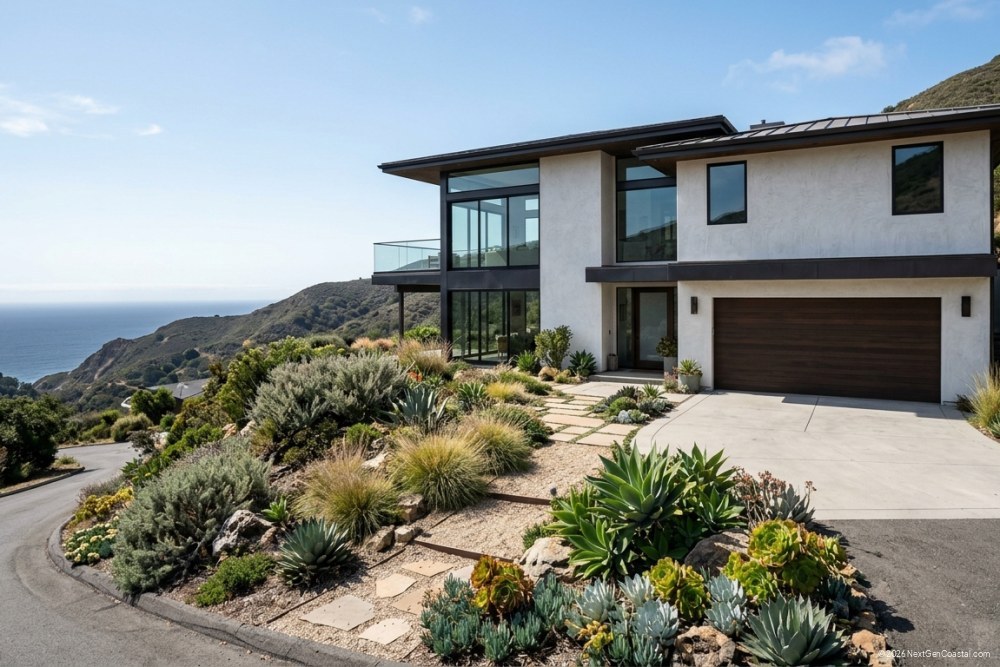
STR-to-LTR conversions present a parallel challenge. Many coastal landlords pivoted from short-term vacation rentals to long-term leases in 2023–2024 as cities tightened STR permitting. A Laguna Beach cottage that generated substantial gross STR income (with guests paying nightly rates plus cleaning fees and damage waivers) now leases long-term at a lower monthly rate. The landlord traded nightly turnover risk for annual tenant stability but lost the ability to collect a refundable damage deposit per stay. Under AB 12, the long-term tenant pays a single deposit once, and the landlord has no mechanism to replenish it mid-lease if early damage occurs.
Worked Examples: Dana Point and Laguna Beach
Two scenarios illustrate AB 12's mechanics in coastal markets.
Example 1: Dana Point Oceanfront SFR
A landlord owns a 3-bedroom, 2.5-bath oceanfront home in Dana Point, leased furnished. The property includes high-end coastal furniture, original artwork, and a private patio with ocean views. Under prior law, the landlord collected a three-month deposit (furnished rate). Post-AB 12, the deposit is capped at one month's rent.
The tenant signs a one-year lease in August 2024. In month six, the landlord discovers that saltwater corrosion has damaged the patio furniture (tenant left cushions uncovered during winter storms) and that the tenant's dog scratched hardwood floors in the living room. Repair estimates show costs for furniture replacement and floor refinishing. The one-month deposit covers the damage plus normal wear, leaving a refund. Under the old regime, the landlord would have held a three-month deposit with a more comfortable margin.
Example 2: Laguna Beach STR-to-LTR Conversion
A landlord converts a 2-bedroom Laguna Beach bungalow from short-term to long-term rental in July 2024. The property previously rented nightly. The landlord now leases it long-term, furnished. Under AB 12, the security deposit is one month's rent.
The tenant moves out after 14 months. The landlord's itemized deductions include carpet cleaning (pet stains), interior repainting (scuffs and nail holes beyond normal wear), a broken window, and landscape restoration (dead plants from neglect). The landlord returns the balance and provides photos and invoices per AB 2801. The tenant does not dispute. Had the property remained an STR, the landlord would have collected damage deposits from hundreds of guest stays over 14 months, creating a rolling risk buffer. The LTR model concentrates all risk into a single deposit.
Compliance Checklist: Five Steps for Coastal Landlords
Coastal landlords managing post-July 2024 leases should implement the following protocol:
- Audit existing leases: Identify all leases signed before July 1, 2024, and flag renewal dates. Schedule deposit adjustments 60 days before renewal.
- Update lease templates: Revise security-deposit clauses to reflect the one-month cap. Remove references to two- or three-month deposits.
- Enhance tenant screening: Tighten credit, income, and reference checks for high-rent SFRs.
- Conduct detailed move-in inspections: Photograph every room, fixture, and exterior feature. Store images in a cloud-based system with timestamps.
- Implement AB 2801 documentation: Train staff to photograph all damage at move-out and obtain itemized invoices within 14 days. Mail deposit statements by day 18.
Landlords who skip the move-in inspection or rely on generic checklists expose themselves to tenant disputes. A tenant who receives a deduction for carpet damage can argue the stains existed at move-in if the landlord has no photographic baseline. Small claims judges in Orange County and San Diego increasingly require landlords to produce time-stamped move-in photos; without them, the tenant wins by default.
City-by-City Compliance Table
Exposure gap between old two-month deposits and new one-month cap across six major coastal markets.
View chart data
| Category | Exposure Gap ($) |
|---|---|
| Malibu | $15,000 |
| La Jolla | $13,500 |
| Newport Beach | $12,000 |
| Santa Monica | $11,000 |
| Coronado | $10,500 |
| Laguna Beach | $9,500 |
The table below summarizes AB 12 compliance considerations for major coastal markets in NextGen Coastal's service area.
| City | Median SFR Rent | Old Deposit (Unfurn.) | New Deposit (AB 12) | Exposure Gap | Local Notes |
|---|---|---|---|---|---|
| Newport Beach | $12,000 | $24,000 | $12,000 | $12,000 | High salt-air wear; strict STR limits drive LTR conversions. |
| Laguna Beach | $9,500 | $19,000 | $9,500 | $9,500 | Hillside properties; landslide/drainage issues increase risk. |
| Malibu | $15,000 | $30,000 | $15,000 | $15,000 | Wildfire zone; insurance riders critical for gap coverage. |
| Santa Monica | $11,000 | $22,000 | $11,000 | $11,000 | Rent control (local) + AB 1482; deposit adjustments at renewal. |
| Coronado | $10,500 | $21,000 | $10,500 | $10,500 | Military tenant turnover; frequent move-outs increase wear. |
| La Jolla | $13,500 | $27,000 | $13,500 | $13,500 | Luxury market; high tenant expectations and maintenance costs. |
The exposure gap (defined as the difference between the old two-month deposit and the new one-month cap) is substantial across these markets. Landlords must either self-insure the gap, purchase landlord insurance riders that cover tenant damage beyond the deposit, or accept higher turnover costs as a cost of doing business.
Insurance Strategies: Bridging the Deposit Gap
Landlord insurance policies typically cover catastrophic damage (fire, flood, vandalism) but exclude normal tenant wear and minor damage. To bridge the AB 12 deposit gap, coastal landlords should explore three riders:
- Tenant-damage coverage: Pays for repairs exceeding the security deposit, up to a policy limit.
- Loss-of-rent coverage: Reimburses lost rent during extended turnover or repair periods. Useful when tenant damage requires 30+ days to remediate.
- Legal-expense coverage: Covers attorney fees and court costs for eviction or small claims actions. Relevant when pursuing a tenant for damage beyond the deposit.
Not all carriers offer tenant-damage riders in coastal California. Wildfire risk in Malibu, landslide exposure in Laguna Beach, and earthquake vulnerability in Newport Beach make insurers cautious. Landlords should work with brokers who specialize in coastal rental properties and can access surplus-lines markets when standard carriers decline coverage.

Tenant Screening: Tightening Standards Post-AB 12
With security deposits capped at one month's rent, tenant screening becomes the primary risk-mitigation tool.
Coastal landlords should adopt minimum standards for high-rent SFRs. Require strong credit scores for applicants. Verify income through recent pay stubs, prior-year tax returns, and employer contact. Self-employed applicants must provide two years of tax returns and bank statements. Contact prior landlords directly (not just the current landlord, who may be motivated to facilitate a problem tenant's departure). Verify on-time payment and condition of prior units. Run a statewide eviction search, not just county-level. Tenants with prior unlawful-detainer filings are high-risk regardless of income. Comply with California's fair-housing rules, but evaluate violent felonies and property crimes case-by-case.
Landlords who relax screening to fill vacancies faster pay the price at move-out. A tenant with marginal credit and income may cover rent for six months, then stop paying and force an eviction. That leaves the landlord with legal fees, lost rent, and damage that exceeds the one-month deposit. In a high-rent Newport Beach rental, a three-month eviction cycle costs tens of thousands in lost rent plus legal fees, far outstripping the deposit.
Lease Addenda: Documenting Condition and Responsibilities
AB 12 makes lease addenda more important than ever. Coastal landlords should attach the following documents to every lease:
- Move-in condition report: Room-by-room checklist with tenant signature acknowledging the property's condition. Include photos as exhibits.
- Maintenance responsibilities: Clarify which repairs are tenant-funded and which are landlord-funded.
- Landscaping standards: Specify watering schedules, weed control, and turf maintenance. Coastal properties with drought-tolerant landscaping require different care than traditional lawns.
- Saltwater/humidity protocols: For oceanfront or near-ocean properties, require tenants to rinse exterior furniture, close windows during storms, and report moisture intrusion immediately.
- Pet addendum: Document pet breed, weight, and vaccination records. Include monthly pet rent and clarify that the security deposit covers pet damage up to the one-month limit.
Addenda must be signed at lease execution, not added mid-term. A landlord who tries to impose a new pet policy or maintenance rule after the tenant moves in has no enforcement mechanism short of non-renewal. Courts treat unsigned addenda as unenforceable suggestions.
Move-Out Protocol: 21-Day Timeline and AB 2801 Photos
The 21-day deposit-return window is non-negotiable. California law allows landlords to deduct for damage beyond normal wear and tear, unpaid rent, and cleaning necessary to restore the unit to move-in condition. AB 2801 requires photographic evidence for every deduction and itemized invoices for qualifying repairs.
Our move-out protocol:
- Day 0 (move-out day): Conduct walk-through inspection with tenant if possible. Photograph every room, fixture, and exterior area. Note defects on a standardized checklist.
- Day 1–7: Obtain repair estimates from licensed contractors. For minor items (cleaning, painting), use in-house staff and document labor hours.
- Day 8–14: Complete repairs and collect final invoices. Photograph completed work to show before-and-after condition.
- Day 15–17: Prepare itemized statement with photos and invoices attached. Calculate deductions and refund amount.
- Day 18: Mail statement and refund check (or notice of full retention) via certified mail. Retain proof of mailing.
Landlords who miss the 21-day deadline forfeit the right to deduct anything and must return the full deposit. A landlord who mails the statement on day 23 loses the entire deposit even if the tenant caused documented damage. The statute is strict liability. Intent and good faith are irrelevant.
Enforcement and Penalties: Section 1950.5(l) Statutory Damages
California Civil Code Section 1950.5(l) allows tenants to recover twice the deposit amount wrongfully withheld, plus attorney's fees, if the landlord acts in bad faith. Bad faith includes failing to return the deposit within 21 days, deducting for normal wear and tear, or refusing to provide an itemized statement. The statute does not require the tenant to prove actual damages. The penalty is automatic.
A landlord who withholds a deposit without justification faces a doubled judgment plus the tenant's legal fees (typically substantial in small claims or limited civil court). The total exposure for a deposit dispute can be significant. Coastal landlords managing multiple properties cannot afford even one adverse judgment; the reputational damage and insurance implications compound the financial hit.
Tenants increasingly understand their rights under AB 12 and AB 2801. Tenant-advocacy groups in Los Angeles, Orange County, and San Diego provide free legal clinics and template demand letters. A landlord who sends a vague itemized statement without photos will receive a demand letter within 30 days, followed by a small claims filing if they don't cure. The best defense is rigorous compliance from day one.
- Natural person only: You must own the property as an individual. Corporate entities, trusts, and partnerships don't qualify.
- Two-property cap: If you own a third property, any size, you lose the exemption for all of them.
- Four-unit ceiling: Your total residential units across all properties can't exceed four.
- Ownership test: Title has to be in your name. Beneficial ownership through a trust doesn't count.
- Portfolio-wide rule: The exemption covers all your qualifying units or none. You can't pick and choose.
- Credit score: We ask for 700+ if the applicant earns 3× rent; 720+ if they're at 2.5× rent.
- Income verification: Request two recent pay stubs, last year's tax return, and employer contact information. Self-employed applicants need two years of returns plus bank statements.
- Rental history: Call prior landlords directly. Don't rely only on the current landlord, they may want a problem tenant gone. Confirm on-time payment and how the applicant left the unit.
- Eviction search: Run a statewide search, not just county-level. Applicants with prior unlawful-detainer filings are high-risk no matter what their income looks like.
- Criminal background: Follow California's fair-housing rules. No blanket bans, but evaluate violent felonies and property crimes case-by-case.
Frequently Asked Questions
Does AB 12 apply to leases signed before July 1, 2024?
Can I charge a separate pet deposit under AB 12?
What happens if I miss the 21-day deposit-return deadline?
Does the small-landlord exemption apply to LLCs?
How do I comply with AB 2801's photo requirement?
Can I increase the security deposit when I raise rent under AB 1482?